
Nov 15, 2024
ONDC Integration for Food Delivery Platforms
Want to reduce 20-30% platform commissions? Learn how ONDC integration enables direct customer access while solving technical challenges in protocol implementation, catalog management, and order orchestration.
ONDC
ONDC
Integration
Understanding ONDC Technical Challenges
Food delivery platforms charge 20-30% commissions while limiting restaurant discovery. ONDC promises decentralized commerce but technical implementation challenges prevent widespread adoption.
Food delivery platforms in India pay 20-30% commissions to aggregators like Swiggy and Zomato. These high fees squeeze restaurant margins and force higher menu prices for customers. Restaurants want to reach customers directly but lack technology infrastructure for ordering, payments, and logistics. Building proprietary apps costs lakhs and requires ongoing maintenance. Meanwhile, customers are locked into individual platforms, unable to discover restaurants listed elsewhere. This fragmented ecosystem benefits platform owners while limiting choice and increasing costs for everyone else.
Open Network for Digital Commerce (ONDC) promises to solve these problems through a decentralized protocol. Restaurants can list on any ONDC-enabled app and appear across the entire network. Customers can order from any restaurant regardless of which app they list on. Logistics providers compete for delivery rather than being controlled by platforms. However, implementing ONDC integration presents significant technical challenges. The protocol specifications are complex, documentation is evolving, and real-world integration patterns aren't well established yet.

ONDC Implementation Roadmap
ONDC Implementation Roadmap
Navigate the technical complexity of ONDC protocol implementation, network integration, and buyer-seller app development for India's open commerce network.
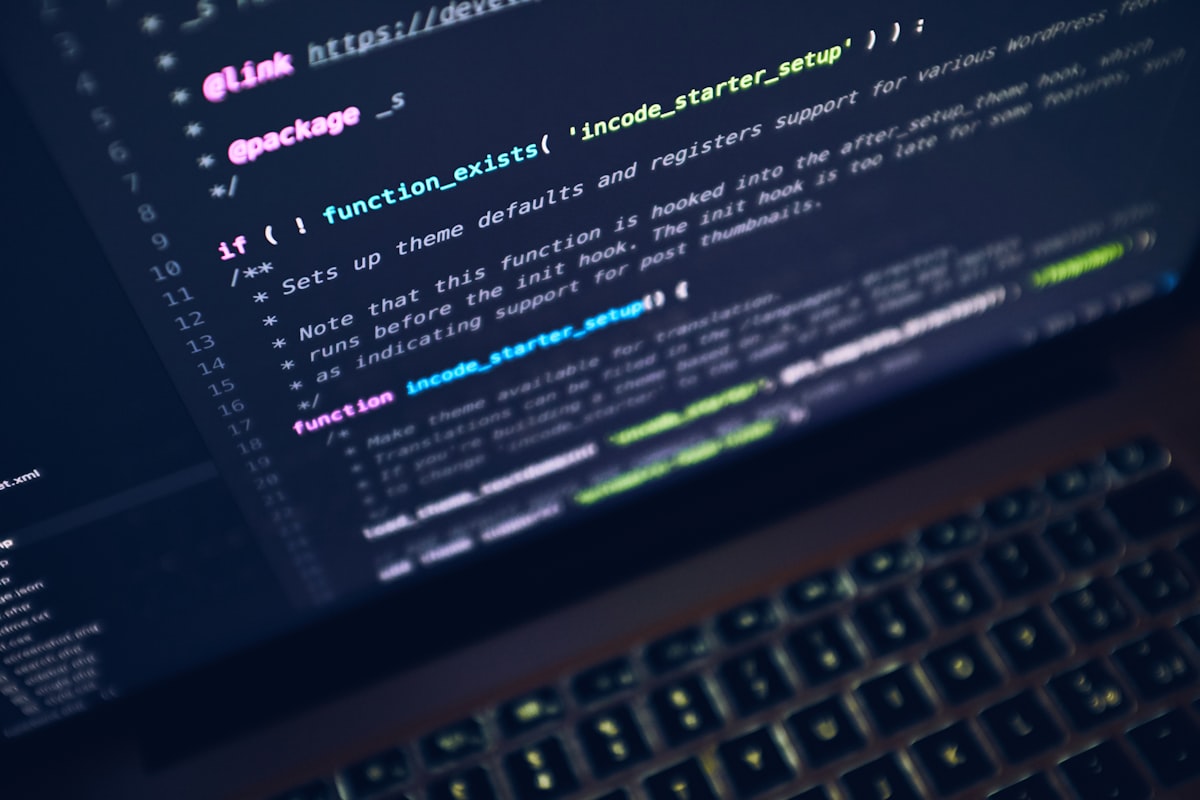
ONDC protocol defines standardized APIs for search, order, fulfillment, and payment across the commerce network. Buyer apps (customer-facing platforms) send search requests to the network, and seller apps (restaurant platforms) respond with catalog information. When customers place orders, the protocol orchestrates communication between buyer app, seller app, and logistics providers. This requires implementing multiple API endpoints, handling asynchronous callbacks, managing state across distributed systems, and ensuring protocol compliance for network certification.
Key implementation challenges include catalog management at scale with thousands of SKUs and real-time updates, order state synchronization across buyer-seller-logistics providers, payment settlement with escrow and commission handling, logistics integration with multiple providers, error handling for network failures, and maintaining backwards compatibility as protocol evolves. The protocol uses JSON payloads with specific schemas that must be validated rigorously. Authentication uses registry-based signing mechanisms. Every interaction must be logged for audit trails and dispute resolution.
Real Implementation Results
Real Implementation Results
ONDC integration reduces platform commissions from 25% to 10-15%, expands restaurant reach by 3-5x across network apps, and enables customer discovery without marketing spend.
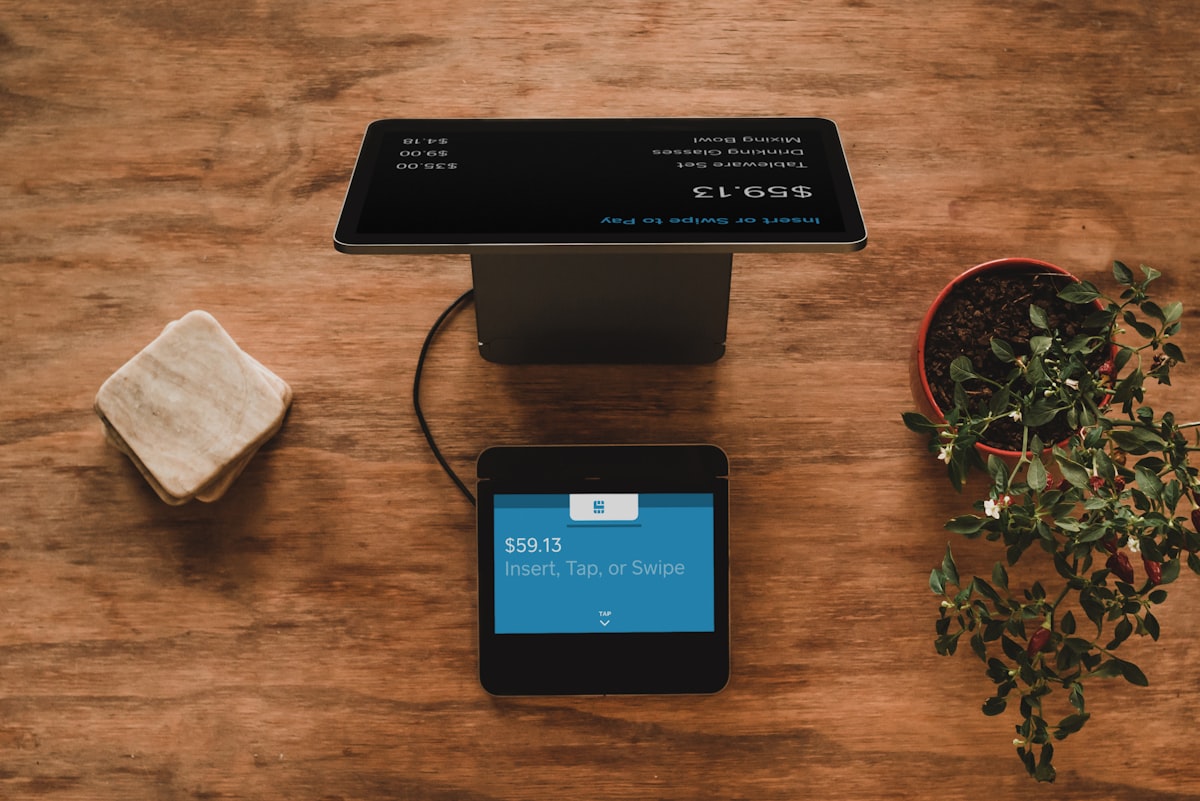
An Indian food delivery platform successfully implemented ONDC integration, becoming one of the first to go live on the network. The implementation involved building buyer app capabilities for customer ordering, catalog synchronization across the network, and order orchestration between restaurants and logistics providers. Within three months of launch, they onboarded 200+ restaurants who gained access to customers across all ONDC apps without additional listing fees. Commission rates dropped from 25% to 10-15%, enabling competitive pricing for customers.
The technical architecture centered on ONDC protocol compliance while maintaining user experience quality. Real-time catalog syncing ensured menu updates propagated across the network within minutes. Order management handled complex workflows including restaurant confirmation, logistics assignment, payment processing, and delivery tracking. The platform implemented fallback mechanisms for network issues and comprehensive logging for debugging protocol interactions. Most critically, they built middleware translating between ONDC's standardized protocol and existing restaurant systems, minimizing integration burden for merchants.
Learn from our experience: Explore our ONDC Decentralized Food Delivery Platform case study showing 65% commission reduction and 3x restaurant reach expansion.

Latest Updates
(GQ® — 02)
©2024
Latest Updates
(GQ® — 02)
©2024

OCPP 2.0 Implementation Guide for EV Charging Stations
Mar 12, 3025
EV Charging
OCPP 2.0 Implementation Guide for EV Charging Stations
Mar 12, 3025
EV Charging

Custom ERP Development: Build vs Buy Decision Guide
Apr 1, 2024
ERP Systems
Custom ERP Development: Build vs Buy Decision Guide
Apr 1, 2024
ERP Systems

Headless E-commerce Architecture Guide
Sep 14, 2024
E-commerce
Headless E-commerce Architecture Guide
Sep 14, 2024
E-commerce

IoT Platform Development: Complete Guide
Oct 20, 2024
IoT
IoT Platform Development: Complete Guide
Oct 20, 2024
IoT
Blockchain for Enterprises: When to Use It
Sep 25, 2024
Blockchain
Blockchain for Enterprises: When to Use It
Sep 25, 2024
Blockchain
FAQ
FAQ
01
What does a project work from our side?
02
How is the pricing structure?
03
Are all projects fixed scope?
04
What is the ROI?
05
How do we measure success?
06
What do I need to get started?
07
How easy is it to edit for beginners?
08
Do I need to know how to code?
01
What does a project work from our side?
02
How is the pricing structure?
03
Are all projects fixed scope?
04
What is the ROI?
05
How do we measure success?
06
What do I need to get started?
07
How easy is it to edit for beginners?
08
Do I need to know how to code?
Nov 15, 2024
ONDC Integration for Food Delivery Platforms
Want to reduce 20-30% platform commissions? Learn how ONDC integration enables direct customer access while solving technical challenges in protocol implementation, catalog management, and order orchestration.
ONDC
ONDC
Integration
Understanding ONDC Technical Challenges
Food delivery platforms charge 20-30% commissions while limiting restaurant discovery. ONDC promises decentralized commerce but technical implementation challenges prevent widespread adoption.
Food delivery platforms in India pay 20-30% commissions to aggregators like Swiggy and Zomato. These high fees squeeze restaurant margins and force higher menu prices for customers. Restaurants want to reach customers directly but lack technology infrastructure for ordering, payments, and logistics. Building proprietary apps costs lakhs and requires ongoing maintenance. Meanwhile, customers are locked into individual platforms, unable to discover restaurants listed elsewhere. This fragmented ecosystem benefits platform owners while limiting choice and increasing costs for everyone else.
Open Network for Digital Commerce (ONDC) promises to solve these problems through a decentralized protocol. Restaurants can list on any ONDC-enabled app and appear across the entire network. Customers can order from any restaurant regardless of which app they list on. Logistics providers compete for delivery rather than being controlled by platforms. However, implementing ONDC integration presents significant technical challenges. The protocol specifications are complex, documentation is evolving, and real-world integration patterns aren't well established yet.
ONDC Implementation Roadmap
Navigate the technical complexity of ONDC protocol implementation, network integration, and buyer-seller app development for India's open commerce network.
ONDC protocol defines standardized APIs for search, order, fulfillment, and payment across the commerce network. Buyer apps (customer-facing platforms) send search requests to the network, and seller apps (restaurant platforms) respond with catalog information. When customers place orders, the protocol orchestrates communication between buyer app, seller app, and logistics providers. This requires implementing multiple API endpoints, handling asynchronous callbacks, managing state across distributed systems, and ensuring protocol compliance for network certification.
Key implementation challenges include catalog management at scale with thousands of SKUs and real-time updates, order state synchronization across buyer-seller-logistics providers, payment settlement with escrow and commission handling, logistics integration with multiple providers, error handling for network failures, and maintaining backwards compatibility as protocol evolves. The protocol uses JSON payloads with specific schemas that must be validated rigorously. Authentication uses registry-based signing mechanisms. Every interaction must be logged for audit trails and dispute resolution.
Real Implementation Results
ONDC integration reduces platform commissions from 25% to 10-15%, expands restaurant reach by 3-5x across network apps, and enables customer discovery without marketing spend.
An Indian food delivery platform successfully implemented ONDC integration, becoming one of the first to go live on the network. The implementation involved building buyer app capabilities for customer ordering, catalog synchronization across the network, and order orchestration between restaurants and logistics providers. Within three months of launch, they onboarded 200+ restaurants who gained access to customers across all ONDC apps without additional listing fees. Commission rates dropped from 25% to 10-15%, enabling competitive pricing for customers.
The technical architecture centered on ONDC protocol compliance while maintaining user experience quality. Real-time catalog syncing ensured menu updates propagated across the network within minutes. Order management handled complex workflows including restaurant confirmation, logistics assignment, payment processing, and delivery tracking. The platform implemented fallback mechanisms for network issues and comprehensive logging for debugging protocol interactions. Most critically, they built middleware translating between ONDC's standardized protocol and existing restaurant systems, minimizing integration burden for merchants.
Learn from our experience: Explore our ONDC Decentralized Food Delivery Platform case study showing 65% commission reduction and 3x restaurant reach expansion.
Latest Updates
(GQ® — 02)
©2024
OCPP 2.0 Implementation Guide for EV Charging Stations
Mar 12, 3025
EV Charging
Custom ERP Development: Build vs Buy Decision Guide
Apr 1, 2024
ERP Systems
Headless E-commerce Architecture Guide
Sep 14, 2024
E-commerce
IoT Platform Development: Complete Guide
Oct 20, 2024
IoT
Blockchain for Enterprises: When to Use It
Sep 25, 2024
Blockchain
FAQ
01
What does a project work from our side?
02
How is the pricing structure?
03
Are all projects fixed scope?
04
What is the ROI?
05
How do we measure success?
06
What do I need to get started?
07
How easy is it to edit for beginners?
08
Do I need to know how to code?
Nov 15, 2024
ONDC Integration for Food Delivery Platforms
Want to reduce 20-30% platform commissions? Learn how ONDC integration enables direct customer access while solving technical challenges in protocol implementation, catalog management, and order orchestration.
ONDC
ONDC
Integration
Understanding ONDC Technical Challenges
Food delivery platforms charge 20-30% commissions while limiting restaurant discovery. ONDC promises decentralized commerce but technical implementation challenges prevent widespread adoption.
Food delivery platforms in India pay 20-30% commissions to aggregators like Swiggy and Zomato. These high fees squeeze restaurant margins and force higher menu prices for customers. Restaurants want to reach customers directly but lack technology infrastructure for ordering, payments, and logistics. Building proprietary apps costs lakhs and requires ongoing maintenance. Meanwhile, customers are locked into individual platforms, unable to discover restaurants listed elsewhere. This fragmented ecosystem benefits platform owners while limiting choice and increasing costs for everyone else.
Open Network for Digital Commerce (ONDC) promises to solve these problems through a decentralized protocol. Restaurants can list on any ONDC-enabled app and appear across the entire network. Customers can order from any restaurant regardless of which app they list on. Logistics providers compete for delivery rather than being controlled by platforms. However, implementing ONDC integration presents significant technical challenges. The protocol specifications are complex, documentation is evolving, and real-world integration patterns aren't well established yet.
ONDC Implementation Roadmap
Navigate the technical complexity of ONDC protocol implementation, network integration, and buyer-seller app development for India's open commerce network.
ONDC protocol defines standardized APIs for search, order, fulfillment, and payment across the commerce network. Buyer apps (customer-facing platforms) send search requests to the network, and seller apps (restaurant platforms) respond with catalog information. When customers place orders, the protocol orchestrates communication between buyer app, seller app, and logistics providers. This requires implementing multiple API endpoints, handling asynchronous callbacks, managing state across distributed systems, and ensuring protocol compliance for network certification.
Key implementation challenges include catalog management at scale with thousands of SKUs and real-time updates, order state synchronization across buyer-seller-logistics providers, payment settlement with escrow and commission handling, logistics integration with multiple providers, error handling for network failures, and maintaining backwards compatibility as protocol evolves. The protocol uses JSON payloads with specific schemas that must be validated rigorously. Authentication uses registry-based signing mechanisms. Every interaction must be logged for audit trails and dispute resolution.
Real Implementation Results
ONDC integration reduces platform commissions from 25% to 10-15%, expands restaurant reach by 3-5x across network apps, and enables customer discovery without marketing spend.
An Indian food delivery platform successfully implemented ONDC integration, becoming one of the first to go live on the network. The implementation involved building buyer app capabilities for customer ordering, catalog synchronization across the network, and order orchestration between restaurants and logistics providers. Within three months of launch, they onboarded 200+ restaurants who gained access to customers across all ONDC apps without additional listing fees. Commission rates dropped from 25% to 10-15%, enabling competitive pricing for customers.
The technical architecture centered on ONDC protocol compliance while maintaining user experience quality. Real-time catalog syncing ensured menu updates propagated across the network within minutes. Order management handled complex workflows including restaurant confirmation, logistics assignment, payment processing, and delivery tracking. The platform implemented fallback mechanisms for network issues and comprehensive logging for debugging protocol interactions. Most critically, they built middleware translating between ONDC's standardized protocol and existing restaurant systems, minimizing integration burden for merchants.
Learn from our experience: Explore our ONDC Decentralized Food Delivery Platform case study showing 65% commission reduction and 3x restaurant reach expansion.
Latest Updates
©2024
OCPP 2.0 Implementation Guide for EV Charging Stations
Mar 12, 3025
EV Charging
Custom ERP Development: Build vs Buy Decision Guide
Apr 1, 2024
ERP Systems
Headless E-commerce Architecture Guide
Sep 14, 2024
E-commerce
IoT Platform Development: Complete Guide
Oct 20, 2024
IoT
Blockchain for Enterprises: When to Use It
Sep 25, 2024
Blockchain
FAQ
What does a project work from our side?
How is the pricing structure?
Are all projects fixed scope?
What is the ROI?
How do we measure success?
What do I need to get started?
How easy is it to edit for beginners?
Do I need to know how to code?