
Oct 20, 2024
IoT Platform Development: Complete Guide
Building IoT platform but struggling with device connectivity, real-time data processing, and scale? Learn proven architecture patterns that handle millions of connections while keeping costs predictable.
IoT
IoT
Platform
Core IoT Platform Challenges
IoT deployments fail at scale due to poor architecture choices. Devices disconnect randomly, data processing lags, and remote management becomes impossible with traditional web infrastructure.
Businesses deploying IoT devices face immediate technical challenges. How do you securely connect thousands of devices? How do you process real-time data from sensors without server overload? How do you remotely update firmware on devices scattered across cities? Traditional web development skills don't translate directly to IoT. Device communication protocols like MQTT and CoAP differ fundamentally from HTTP. Power constraints mean devices can't stay always-connected. Network reliability varies wildly between urban and rural deployments. These complexities delay IoT projects by months or years.
Companies often start with proof-of-concept deployments of 10-50 devices that work fine in controlled environments. Then reality hits during scale-up. Server infrastructure collapses under connection load. Data pipelines can't keep up with sensor streams. Device authentication becomes a security nightmare. Remote debugging becomes impossible when devices are physically inaccessible. The cost per device stays high because infrastructure doesn't scale efficiently. Businesses need platforms that handle these challenges from day one, not band-aid solutions that break at scale.
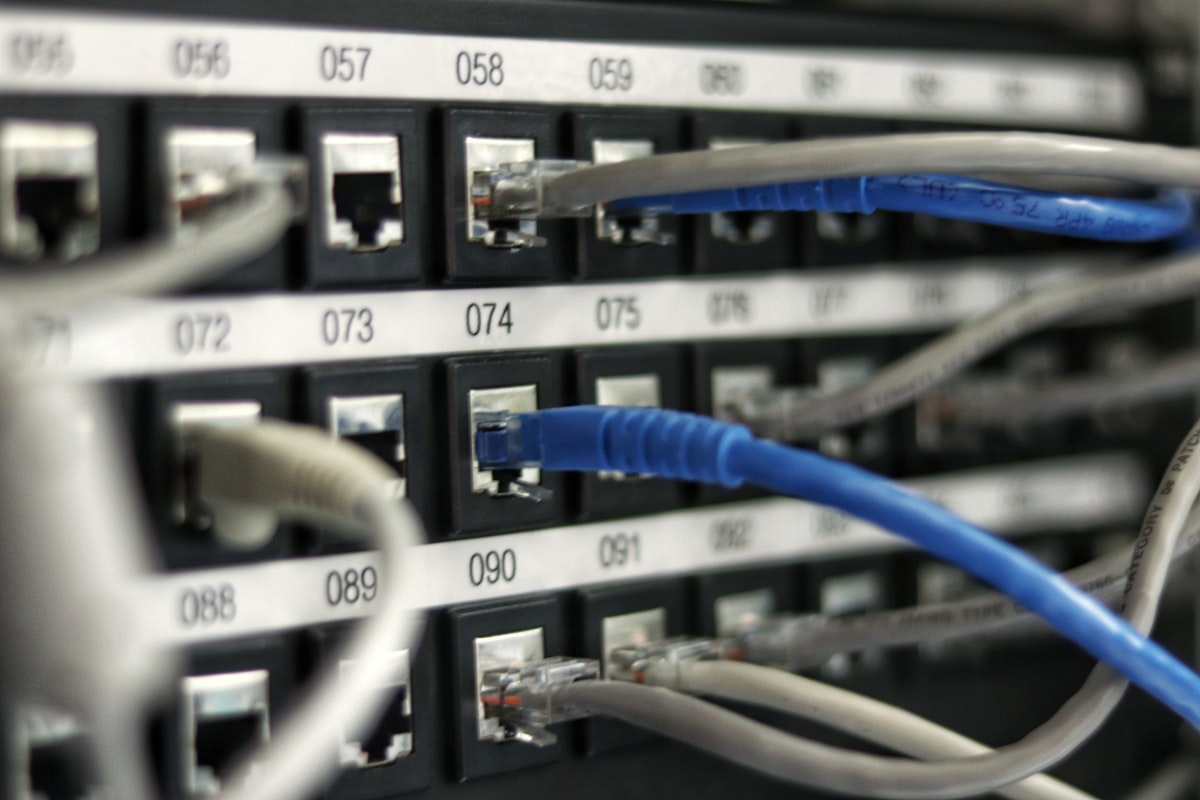
Scalable IoT Architecture
Scalable IoT Architecture
Build scalable IoT platforms handling millions of device connections, real-time data processing, and remote management across distributed hardware networks.
IoT platforms require fundamentally different architecture than traditional web applications. Device communication uses MQTT or CoAP protocols optimized for low bandwidth and intermittent connectivity. Devices send messages asynchronously, requiring queue-based processing rather than request-response patterns. Data volumes exceed typical web apps by orders of magnitude—imagine processing sensor readings from 1000 devices every minute. Device authentication and authorization must work offline and handle certificate rotation. Firmware updates need orchestrated rollouts with rollback capabilities when things go wrong.
The platform must handle device lifecycle management. New devices get provisioned and registered securely. Online devices report health metrics and receive commands. Offline devices reconnect automatically and sync missed updates. Failed devices get flagged for maintenance. The system needs device shadows—server-side representations tracking latest known state even when devices are offline. Analytics pipelines process device data in real-time for dashboards while also archiving historical data. Security permeates everything—device-to-cloud communication encryption, secure credential storage, role-based access control for management operations.


Production-Ready Results
Production-Ready Results
Properly architected IoT platforms handle 10,000+ concurrent device connections, process millions of messages daily, and enable remote management at ₹30-50 per device monthly.
An advertising network deployed IoT devices across 500+ autorickshaws in Indian cities. Each device streams GPS location every 30 seconds, receives ad content updates via HTTP/MQTT, and reports analytics in real-time. The platform handles 15,000 location updates per minute, processes 100GB of data daily, and maintains 99.9% device connectivity. Remote firmware updates roll out to entire fleet overnight without manual intervention. The infrastructure costs less than ₹50 per device per month while generating 10x that in advertising revenue per device.
Architecture decisions proved critical for this scale. MQTT broker handles device connections with QoS levels ensuring message delivery even during connectivity issues. Message queues buffer data during processing spikes. Time-series database efficiently stores location and analytics data. Object storage caches ad content with CDN distribution. Kubernetes auto-scales compute resources based on device load. Device management service handles registration, authentication, health monitoring, and remote commands. This architecture costs ₹2-3 lakhs monthly but supports 10,000+ devices with room to scale 10x.
See the complete IoT solution: Check out our IoT Advertising Platform for Autorickshaw Network case study demonstrating 500+ connected devices with 99.9% uptime and ₹50/device monthly cost.

Latest Updates
(GQ® — 02)
©2024
Latest Updates
(GQ® — 02)
©2024
OCPP 2.0 Implementation Guide for EV Charging Stations
Mar 12, 3025
EV Charging
OCPP 2.0 Implementation Guide for EV Charging Stations
Mar 12, 3025
EV Charging

Custom ERP Development: Build vs Buy Decision Guide
Apr 1, 2024
ERP Systems
Custom ERP Development: Build vs Buy Decision Guide
Apr 1, 2024
ERP Systems

Headless E-commerce Architecture Guide
Sep 14, 2024
E-commerce
Headless E-commerce Architecture Guide
Sep 14, 2024
E-commerce

ONDC Integration for Food Delivery Platforms
Nov 15, 2024
ONDC
ONDC Integration for Food Delivery Platforms
Nov 15, 2024
ONDC
Blockchain for Enterprises: When to Use It
Sep 25, 2024
Blockchain
Blockchain for Enterprises: When to Use It
Sep 25, 2024
Blockchain
FAQ
FAQ
01
What does a project work from our side?
02
How is the pricing structure?
03
Are all projects fixed scope?
04
What is the ROI?
05
How do we measure success?
06
What do I need to get started?
07
How easy is it to edit for beginners?
08
Do I need to know how to code?
01
What does a project work from our side?
02
How is the pricing structure?
03
Are all projects fixed scope?
04
What is the ROI?
05
How do we measure success?
06
What do I need to get started?
07
How easy is it to edit for beginners?
08
Do I need to know how to code?
Oct 20, 2024
IoT Platform Development: Complete Guide
Building IoT platform but struggling with device connectivity, real-time data processing, and scale? Learn proven architecture patterns that handle millions of connections while keeping costs predictable.
IoT
IoT
Platform
Core IoT Platform Challenges
IoT deployments fail at scale due to poor architecture choices. Devices disconnect randomly, data processing lags, and remote management becomes impossible with traditional web infrastructure.
Businesses deploying IoT devices face immediate technical challenges. How do you securely connect thousands of devices? How do you process real-time data from sensors without server overload? How do you remotely update firmware on devices scattered across cities? Traditional web development skills don't translate directly to IoT. Device communication protocols like MQTT and CoAP differ fundamentally from HTTP. Power constraints mean devices can't stay always-connected. Network reliability varies wildly between urban and rural deployments. These complexities delay IoT projects by months or years.
Companies often start with proof-of-concept deployments of 10-50 devices that work fine in controlled environments. Then reality hits during scale-up. Server infrastructure collapses under connection load. Data pipelines can't keep up with sensor streams. Device authentication becomes a security nightmare. Remote debugging becomes impossible when devices are physically inaccessible. The cost per device stays high because infrastructure doesn't scale efficiently. Businesses need platforms that handle these challenges from day one, not band-aid solutions that break at scale.
Scalable IoT Architecture
Build scalable IoT platforms handling millions of device connections, real-time data processing, and remote management across distributed hardware networks.
IoT platforms require fundamentally different architecture than traditional web applications. Device communication uses MQTT or CoAP protocols optimized for low bandwidth and intermittent connectivity. Devices send messages asynchronously, requiring queue-based processing rather than request-response patterns. Data volumes exceed typical web apps by orders of magnitude—imagine processing sensor readings from 1000 devices every minute. Device authentication and authorization must work offline and handle certificate rotation. Firmware updates need orchestrated rollouts with rollback capabilities when things go wrong.
The platform must handle device lifecycle management. New devices get provisioned and registered securely. Online devices report health metrics and receive commands. Offline devices reconnect automatically and sync missed updates. Failed devices get flagged for maintenance. The system needs device shadows—server-side representations tracking latest known state even when devices are offline. Analytics pipelines process device data in real-time for dashboards while also archiving historical data. Security permeates everything—device-to-cloud communication encryption, secure credential storage, role-based access control for management operations.
Production-Ready Results
Properly architected IoT platforms handle 10,000+ concurrent device connections, process millions of messages daily, and enable remote management at ₹30-50 per device monthly.
An advertising network deployed IoT devices across 500+ autorickshaws in Indian cities. Each device streams GPS location every 30 seconds, receives ad content updates via HTTP/MQTT, and reports analytics in real-time. The platform handles 15,000 location updates per minute, processes 100GB of data daily, and maintains 99.9% device connectivity. Remote firmware updates roll out to entire fleet overnight without manual intervention. The infrastructure costs less than ₹50 per device per month while generating 10x that in advertising revenue per device.
Architecture decisions proved critical for this scale. MQTT broker handles device connections with QoS levels ensuring message delivery even during connectivity issues. Message queues buffer data during processing spikes. Time-series database efficiently stores location and analytics data. Object storage caches ad content with CDN distribution. Kubernetes auto-scales compute resources based on device load. Device management service handles registration, authentication, health monitoring, and remote commands. This architecture costs ₹2-3 lakhs monthly but supports 10,000+ devices with room to scale 10x.
See the complete IoT solution: Check out our IoT Advertising Platform for Autorickshaw Network case study demonstrating 500+ connected devices with 99.9% uptime and ₹50/device monthly cost.
Latest Updates
(GQ® — 02)
©2024
OCPP 2.0 Implementation Guide for EV Charging Stations
Mar 12, 3025
EV Charging
Custom ERP Development: Build vs Buy Decision Guide
Apr 1, 2024
ERP Systems
Headless E-commerce Architecture Guide
Sep 14, 2024
E-commerce
ONDC Integration for Food Delivery Platforms
Nov 15, 2024
ONDC
Blockchain for Enterprises: When to Use It
Sep 25, 2024
Blockchain
FAQ
01
What does a project work from our side?
02
How is the pricing structure?
03
Are all projects fixed scope?
04
What is the ROI?
05
How do we measure success?
06
What do I need to get started?
07
How easy is it to edit for beginners?
08
Do I need to know how to code?
Oct 20, 2024
IoT Platform Development: Complete Guide
Building IoT platform but struggling with device connectivity, real-time data processing, and scale? Learn proven architecture patterns that handle millions of connections while keeping costs predictable.
IoT
IoT
Platform
Core IoT Platform Challenges
IoT deployments fail at scale due to poor architecture choices. Devices disconnect randomly, data processing lags, and remote management becomes impossible with traditional web infrastructure.
Businesses deploying IoT devices face immediate technical challenges. How do you securely connect thousands of devices? How do you process real-time data from sensors without server overload? How do you remotely update firmware on devices scattered across cities? Traditional web development skills don't translate directly to IoT. Device communication protocols like MQTT and CoAP differ fundamentally from HTTP. Power constraints mean devices can't stay always-connected. Network reliability varies wildly between urban and rural deployments. These complexities delay IoT projects by months or years.
Companies often start with proof-of-concept deployments of 10-50 devices that work fine in controlled environments. Then reality hits during scale-up. Server infrastructure collapses under connection load. Data pipelines can't keep up with sensor streams. Device authentication becomes a security nightmare. Remote debugging becomes impossible when devices are physically inaccessible. The cost per device stays high because infrastructure doesn't scale efficiently. Businesses need platforms that handle these challenges from day one, not band-aid solutions that break at scale.
Scalable IoT Architecture
Build scalable IoT platforms handling millions of device connections, real-time data processing, and remote management across distributed hardware networks.
IoT platforms require fundamentally different architecture than traditional web applications. Device communication uses MQTT or CoAP protocols optimized for low bandwidth and intermittent connectivity. Devices send messages asynchronously, requiring queue-based processing rather than request-response patterns. Data volumes exceed typical web apps by orders of magnitude—imagine processing sensor readings from 1000 devices every minute. Device authentication and authorization must work offline and handle certificate rotation. Firmware updates need orchestrated rollouts with rollback capabilities when things go wrong.
The platform must handle device lifecycle management. New devices get provisioned and registered securely. Online devices report health metrics and receive commands. Offline devices reconnect automatically and sync missed updates. Failed devices get flagged for maintenance. The system needs device shadows—server-side representations tracking latest known state even when devices are offline. Analytics pipelines process device data in real-time for dashboards while also archiving historical data. Security permeates everything—device-to-cloud communication encryption, secure credential storage, role-based access control for management operations.
Production-Ready Results
Properly architected IoT platforms handle 10,000+ concurrent device connections, process millions of messages daily, and enable remote management at ₹30-50 per device monthly.
An advertising network deployed IoT devices across 500+ autorickshaws in Indian cities. Each device streams GPS location every 30 seconds, receives ad content updates via HTTP/MQTT, and reports analytics in real-time. The platform handles 15,000 location updates per minute, processes 100GB of data daily, and maintains 99.9% device connectivity. Remote firmware updates roll out to entire fleet overnight without manual intervention. The infrastructure costs less than ₹50 per device per month while generating 10x that in advertising revenue per device.
Architecture decisions proved critical for this scale. MQTT broker handles device connections with QoS levels ensuring message delivery even during connectivity issues. Message queues buffer data during processing spikes. Time-series database efficiently stores location and analytics data. Object storage caches ad content with CDN distribution. Kubernetes auto-scales compute resources based on device load. Device management service handles registration, authentication, health monitoring, and remote commands. This architecture costs ₹2-3 lakhs monthly but supports 10,000+ devices with room to scale 10x.
See the complete IoT solution: Check out our IoT Advertising Platform for Autorickshaw Network case study demonstrating 500+ connected devices with 99.9% uptime and ₹50/device monthly cost.
Latest Updates
©2024
OCPP 2.0 Implementation Guide for EV Charging Stations
Mar 12, 3025
EV Charging
Custom ERP Development: Build vs Buy Decision Guide
Apr 1, 2024
ERP Systems
Headless E-commerce Architecture Guide
Sep 14, 2024
E-commerce
ONDC Integration for Food Delivery Platforms
Nov 15, 2024
ONDC
Blockchain for Enterprises: When to Use It
Sep 25, 2024
Blockchain
FAQ
What does a project work from our side?
How is the pricing structure?
Are all projects fixed scope?
What is the ROI?
How do we measure success?
What do I need to get started?
How easy is it to edit for beginners?
Do I need to know how to code?